� The Turtles � The
Islands � Selingan Island � The Nesting � Hatcheries � Travel Tips �
The Turtle Island Park is a safe haven for the
endangered green and hawksbill turtles and is situated 40km north of Sandakan
in the Sulu Sea. Encompassing an area of 1,740 hectares it includes the three
islands of Pulau Selingan, Pulau Bakkungan Kecil and Pulau Gulisan; the
surrounds sea and coral reefs.
  The
Turtles The
Turtles
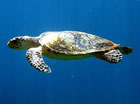
The turtles lay eggs throughout the year, although the best months are between
July to October. All sea turtle eat marine animals such as sponges, marine
worms and molluscs. Adult Green Turtle are largely vegetarian, eating
underwater grasses and seaweed while the Hawksbill Turtle is carnivorous and
eats invertebrate animals of the coral reefs. The natural longevity of the sea
turtles is unknown. They grow very slowly, taking from 10 to 20 years to reach
maturity.
The Islands
The islands boast a myriad of flora, including mangrove, lantana and the furry
silver-leaved Tournefortia. However, the real stars of the island are the
turtles, which come to nest the shores. Pulau Selingaan is the main nesting
area for the green turtles (Chelonia mydas) while the beautiful hawksbill
turtles (Eretmochelys) tend to flock to the shores of Pulau Gulisan. Visitors
are taken to Selingan Island to witness the rare opportunity to watch turtle
landings. The other two islands are more for conservation activities.
Pulau Bakkungan Kecil
This is the largest island and it lies close to the Philippines border. Active
mud volcanoes are also present here. These are not true volcanoes but
originate as mineral-rich mud, expelled from deep below the surface. The
favorite nesting places of the Green Turtles are the beaches on the northern
and western shores of the island. No accommodation facilities on Pulau
Bakkungan Kecil.
Pulau Gulisan
This smallest island is only 1.6 hectare in size but remains one of the
favorite haunts of the hawksbill turtles which lay their eggs on the northern,
eastern and southwestern beaches. All sea turtles eat marine animals such as
sponges, marine worms and molluscs and the hawksbills are no exception. Being
carnivorous, they feed on the invertebrate animals of the coral reefs. The
adult Green Turtles however, are strict vegetarians, limiting their diet to
the underwater grass and seaweed.

Selingan Island
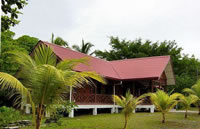
About 8 hectares in size. it is the second largest of 3 islands. The island
houses the park's headquarters, a turtle hatchery, tourist accommodation and
basic facilities. A restaurant is also available for visitors to enjoy hot
meals. As turtle landings usually occur after dusk, an overnight stay would be
the best plan to see the turtles as they come ashore to lay their eggs.
 While
waiting for the evenings highlight, all that is left to do is to laze around
the beach or snorkel. The west side of the island is ideal for this. While
waiting for the evenings highlight, all that is left to do is to laze around
the beach or snorkel. The west side of the island is ideal for this.
They are clean, quiet, and offer some interesting coral and sea life for a
decent days snorkelling. There is a small visitors centre, which is worth a
visit and is open later in the evening. You will not only learn about sea
turtles but also of the different parks in Sabah and its
unique nature.
The Nesting
The turtles come ashore on the east and southwestern parts of the island to
lay their eggs before returning to the sea. The turtles can come as early as
7pm, or as late at 2am and have also been seen nesting in the early hours of
the morning between 5 to 6am. The park has a sensible policy of
allowing
visitors to see only one landing a night. This allows undisturbed nestings to
go on throughout the night. Tourists normally wait in the restaurant area
after dinner while the guides watch out for turtles coming ashore. Only a
certain amount of people can watch one turtle at a time so you have to be
ready to go when called and this can be 2am, 3am.............
It is worth the wait though!
 Almost
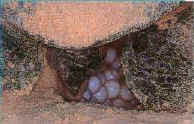
every night female turtles come up and lay their eggs. The turtles take their
time laying their eggs. The whole ritual of emerging from the sea, then
choosing a suitable site and clearing the area before laying about 100 eggs ;
concealing the eggs with sand and finally taking their leave takes one whole
hour! The project workers then go around behind the turtles and remove the
eggs as they are laid, and the egg-laying turtle has no knowledge of this. The
turtles ID marking are read, and notes taken. When the turtle has finished,
she covers the hole thinking the eggs are inside and makes her way back to the
sea. Almost
every night female turtles come up and lay their eggs. The turtles take their
time laying their eggs. The whole ritual of emerging from the sea, then
choosing a suitable site and clearing the area before laying about 100 eggs ;
concealing the eggs with sand and finally taking their leave takes one whole
hour! The project workers then go around behind the turtles and remove the
eggs as they are laid, and the egg-laying turtle has no knowledge of this. The
turtles ID marking are read, and notes taken. When the turtle has finished,
she covers the hole thinking the eggs are inside and makes her way back to the
sea.
Hatcheries
Park staff collect the eggs and transfer them to hatcheries; The eggs are then
placed in a hole in the yard of the sanctuary and filled in with sand and
given a protective fence around the top.

After an incubation period of about 50 to 60 days, the hatchlings dig their
way up to the surface and they are later released to the sea from different
points around the islands. They are then on their own, to survive the dangers
at sea and perhaps return one day to lay their eggs on the very same shores as
their mother once did.
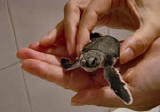 Baby
turtles are released at night. Everyone get a chance to hold one for a couple
minutes. The proper way is to hold it between 2 fingers. These little guys
instinctively know that its time to go to the water, and are doing everything
in their power to get there. So while you're holding them, they're flipping
wildly. The back flippers have almost no power, but the front ones have strong
pull as it is about 3-4 inches long. Baby
turtles are released at night. Everyone get a chance to hold one for a couple
minutes. The proper way is to hold it between 2 fingers. These little guys
instinctively know that its time to go to the water, and are doing everything
in their power to get there. So while you're holding them, they're flipping
wildly. The back flippers have almost no power, but the front ones have strong
pull as it is about 3-4 inches long.
The harvesting of turtle eggs from this area began before the colonial days.
Over-harvesting led to the decline in egg production but was not until 1971
that the turtles were given any form of legal protection. In 1977, the islands
and its surrounding seas were handed over to the Sabah Park Trustees and hence
came about the
Turtle Island Park.
TRAVEL TIPS
Accommodations & Facilities
Overnight accommodation, visitor center and a restaurant only
at Pulau Selingan. The facilities have been privatized and accommodation
limited. Accommodations are on first come basis bookings only as they are
limited to 3 units (fully furnished) for 20 persons only per night. You really
have no choice but to go with a tour company.
When to go
Turtles lay eggs throughout the year, but more common between
July and October when the seas are calmer. The best time to visit howevber is
during the driest month and the calmest seas between the months of March and
September. Avoid October to February as this is when the islands receive the
northeastern monsoon windstorms
Getting There
By boat to Pulau Selingan from Sandakan town. The boat from the
Sabah Parks jetty at Jalan Buli Buli Sim leaves at 9.30am and the ride to
Selingan takes an hour. No public boat services are available. You have to go
through the Parks office or arrange a visit through a tour company.
Permits
Compulsory- Permits and accommodation can booked through the
Sabah Parks Office in Sandakan. Alternatively, trips can be arranged through
tour operators who will arrange the permits, travel and accommodation.
Equipment
Sun and sea. But snorkeling and diving opportunities are
limited. A torch is handy, but may not be used when watching turtles nesting.
Facilities
Overnight accommodation, visitor center and a restaurant only
at Pulau Selingan. The facilities have been privatized and accommodation
limited. You really have no choice but to go with a tour company.
GUIDELINES FOR VISITORS
The park was created to protect the natural environment
especially the sea turtles, the coral reefs and other marine life. There are
therefore stringent rules which visitors are advised to observe.
Visitors Are Forbidden From Engaging In Any Of The
Following:
� Wander along the beach after dark.
(The Park Ranger will inform you when there is a turtle laying eggs.)
� Build campfires, shine bright torches on the beach, sing, dance or play
music on the beach at night.
� Disturb the turtle during the nesting process by coming too close or
crowding around her. Instead, visitors re advised to watch the nesting from a
distance.
� Under any circumstances, ride on the turtle, pull her flippers, turn her
over, jump on her or injure her physically. Such acts of abuse may have
adverse effects on future nesting returns.
� Night photography is strictly forbidden on Pulau Selingan but allowed on the
other two islands with permission from the Park Ranger.
� Collecting any plant, animal or other living or non-living things is
strictly forbidden without prior written permission from the Director of Sabah
Parks. Fishing, however, is permitted with hook and line only.
|
|