|

Bintulu
Geographically
situated half way between Kuching and Kota Kinabalu, Bintulu was as late
as 1`975 was just a fishing village. Bintulu over the years has changed
a lot and is now a well-planned industrial town with a diverse cultural
population of over 100,000 covering an area of about 12,500 square
kilometers.
Place of interest in town and within reach from Bintulu includes:
 Kampung
Jepak Kampung
Jepak
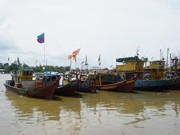
Take a short boatride way in the local Bot Tambang (river bus) across
the Kemena River is Kampung Jepak, an interesting fishing village
showcasing the traditional lifestyle of Melanau fisher�folk. Here you
will see them in their daily activities such as fish drying,
manufacturing of the locally renowed Bintulu Belacan (shrimps paste),
Cencaluk (salted shrimps) and sago processing. The fishing village
offers a glimpse of how Bintulu used to be before town planning and
modernization set in.
The Markets
Pasar Utama a wet market at the esplanade, and Pasar Tamu, a wild and
jungle products market, offer opportunities to mingle with the locals
and savour local delicacies such as "mee jawa, rojak, laksa and
cencol".
Within walking distance from most of the hotels in town, the night
market at the Medan Pasar Malarn at Jalan Kampung Dagang exude a
carnival- like nightly atmosphere with its pot�pourri of cheap garments,
toys, electrical goods and foodstuff. With over 150 stalls, you can take
a pick of the numerous cheap and affordable items as well a choice of
local food, drink, vegetables and wild Borneo products.

Council Negeri Monument
This clock towers and fountain place is built around the site where
centenary stone was erected to commemorate an inaugural gathering of
five British officers and 16 local chiefs of various races that was
convened by Charles Brooke, the second white Rajah of Sarawak in 1867 �
considered as the states first and oldest state legislative assembly
meeting
Places of Worship
Two places of worship that are magnificent in terms of design are the
Bintulu Mosque and the Kuan Yin Temple. Landscaped with beautiful
plants, the Bintulu Mosque features a unique style of architecture, and
is adorned with cascading waterfalls. Situated at KM 2, Jalan Iskandar,
the Kuan Yin Temple, surrounded by dragon fencing, features a rock
garden courtyard and manmade waterfalls.
 Taman
Tumbina Taman
Tumbina
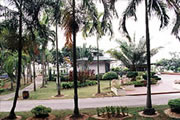
Situated four kilometres from town centre, on a 12 hectare site at the
Tanjung Batu Coastal Reserve, this zoological and botanical park
provides both educational and recreational experiences. Sited on a hill
top overlooking the South China Sea and the Bintulu Town, it has 77
species of fruits, 20 types of wild plants, numerous types of orchids
and offers as well as a first hand view of the State's official bird,
the Hornbill; the fearless eagles; the orang utans' the flamingos'; the
only tigers and lions in Borneo; crocodiles, pythons and many more.
Other Places
Other places of interest that are within reach from Bintulu are the
Similajau National Park and the Niah caves. A mere 30 minute drive (60
Km) along the coastal road from Bintulu Town is the Similajau National
Park with its golden beaches and ecological richness. Further some 120
km to the North of Bintulu is the Niah National Park within which is the
Niah Caves, a well known archaeological site known as one of the
birthplaces of civilisation in the region
Sibu
Sibu, the second largest town in Sarawak, is
situated on the confluence of the Rajang and Igan River, about 50 km
upstream from the sea. Sibu, accessible to boats with a sizable draft ,
is the main commercial centre and port for the Rajang Basin and gateway
to the mighty Rajang River and its vast hinterland.

Sibu is today a busy industrial town and trading centre
for timber, pepper and rubber and home to some of Sarawak�s wealthiest
families mostly timber towkays (merchants). Dominated by its bustling
and crowded waterfront, it has a population of about 200,000, mostly
Chinese and descendants of immigrants from the Foochow province in China.
Being a gateway to the Rejang Basin, Sibu is a paradise for purchasing
native handicrafts and pottery, Good buys include woodcarvings, bean
work, rattan baskets, mats and woven textiles. Local delicacies include
"Million", a type of wild fern, "Kang Muan Mee", a type of noodle, and
"Kong Pian", a special cookie. Wild boar meat, venison, and fresh fish
are widely available in restaurants.
This old trading post has been graced with a pagoda, a couple of big
hotels and a smart esplanade. The 1929 shophouses along the river are
virtually all that remains of the old town. The seven storey pagoda
adjacent to the Tua Pek Kong Temple said to be more beautiful than its
counterparts in South-East Asia, and even Taiwan, offers panoramic views
of Sibu town.

Transport
The airport is 25 Km from Sibu with regular flights to KL, Kuching and
KK. The new bus terminal is about 3 Km out of town which has daily
connections with Bintulu and
Miri and Kuching (the capital) via Sarikei. Boats to Kuching and Sarikei dock at two wharfs, close to the centre of town.
|
|

