|
� The Island � Dive
Features � Dive Map � Popular Dive Sites �
Redang is one of the most
popular diving destinations in Peninsular Malaysia. The dive sites
around this island rarely exceeds 20 meters and is favorable to divers
of all level. Resulting from the impact of El Nino in 1997 - 1998 the
reef at some dive sites has been severely affected and newer sites where
the reefs is still intact has been established. Recent visits to the
previously affected site suggested that the recovery is truly
remarkable.
The waters around Pulau Redang also contain two historic shipwrecks; The
HMS Prince of Wales and HMS Repulse, sunk here at the start of World War
II.

Guided underwater tours and instructions to the dive sites around the
island are available. Day trips are also offered to the outer islands
like Pulau Yu, Pulau Bidong and Skull Rock. Most dive sites in Redang
are located within ten minutes boat ride from the resort areas. Diving
season in Redang is between March to October. Best time for diving is
Mid April till Mid May with average visibility of no less than 25
meters.
POPULAR DIVE SITES
Northern Dive Sites
Among the three sites at the northernmost tip of Redang,
Tanjung Tokong and Tunnel Point are the most popular, offering abundant
fish life in waters with a maximum depth of 30 metres. Tanjung Lang is
the shallowest, offering fans, whips and other corals in waters up to a
maximum depth of 18 metres.
Tanjung Lang
Located on the northern tip of Pulau Redang, this spot offers a variety
of corals such as hydrozoans, siphonophorans and anthozoans which
include sea fans and sea whips as well as crustaceans and fish of
different colours for all to feast their eyes upon. With a maximum depth
of 60 feet, it is accessible to any certified diver.
Tunnel Point
At Tunnel Point, large boulders pile up to form tunnel-like structures
that divers can swim through, hence the name. There are plenty of fans,
soft and hard coral which adds to the impressive underwater scenery.Reef
life encounters include humphead parrotfish, small barracuda, jacks and
nudibranch.
Tanjung Tokong
Tanjung Tokong is situated close to Turtle Bay at Chagar Hutang Turtle
Sanctuary. As such, it offers opportunities to spot green and hawksbill
turtles. This dive location offers an amazing array of marine flora and
fauna till a depth of 80 feet. The sea here can get rough but divers
will be rewarded with the diversity of fishes and other reef life found
here, including jacks, snappers, napoleon wrasse, fusiliers, udibranch,
flatworms and the occasional shark. Many boulders are covered with soft
coral and sea fans.
When sea conditions are calm, it is possible to snorkel from Tanjung
Tokong all the way to Turtle Bay, where there are opportunities to spot
turtles.
Around Pasir Panjang
Due to their easy accessibility, the house reefs at
Tanjung Tengah and Tanjung Mak Cantik in Pasir Panjang are good for
snorkelling, beach dives (both day and night) and discovery dives. A
stone's throw away are the islands of Pulau Paku Besar and Pulau Paku
Kecil which are popular snorkelling haunts but also have enough to keep
divers happy. But the most popular sites here are located just off
Tanjung Mak Cantik - the underwater seamounts of Mak Cantik and Chek Isa
(Mini Mount).
Tanjung Gua Kawah
At the northeastern tip of Redang, Tanjung Gua Kawah tends to have
strong surface and deep-water currents and is best left to experienced
divers. At a maximum depth of 70 feet, this dive spot is a must for
those who are willing to brave the currents and waves. Rocks and
boulders descend to sandy bottom at around 15 metres. Coral growth is
average but due to the currents, there are opportunities to encounter
pelagics in the open water, and other fish life in caves and under
overhangs.
House Reef
House Reef just in front of the Redang Lagoon, just grab a tank and jump
in! Starting on the northern side you dive around a small promontory. It
isn't very deep, no more than 15 m at the most. There are always baby
whitetip reef sharks swimming close to the rocks. Further on there are
staghorn coral fields and a small reef.
Chek Isa (Mini Mount)
Chek Isa is marked by a mooring buoy from the Fisheries Department. The
reef starts from 8 metres in depth and features 2 enormous boulders
carpeted with many different species of soft corals, sponges and
stinging hydroids scattered around until it hits the sandy bottom at 20
metres.
Cowries, spider shells and colourful Christmas tree worms are often
encountered, ogether with angelfish, parrotfish, wrasses, groupers and
other reef dwellers. Night diving can be a rewarding experience with
many nocturnal creatures like crabs and eels, urchins, squids, spiny
lobsters and cowries making their appearances. Divers are awaited by
abundance of night creatures foraging for food around the reef. Plan to
dive around 15m of depth, inspect under the fold of soft coral for
cowries with its mantle fully extended, banded shrimp, crabs,
sea-cucumbers, colourful sea urchins, spiny lobsters and the occasional
octopus
Mak Chantek
Close to Chek Isa is Mak Cantik, an underwater seamount in waters 12-18
metres deep that's home to a large coral garden comprising many hard and
soft corals. Some divers prefer this to Chek Isa as the coral gardens
here are prettier, including some lovely anemone gardens. There is also
a good abundance of fish life, including yellowtail barracudas, rays,
puffers and all the usual damsels, wrasses, parrotfish, angels,
butterfly fish and snappers. Look out at the fringe of the reef and you
might see nurse sharks, white-tip sharks and large rays.
Situated near Pasir Panjang, this spot which reaches down to 60 feet, is
bountiful with colourful reef fishes and invertebrates including
echinoderms, molluscs are well as feather stars and hydrozoans. Night
diving here features the nocturnal world at its best.
Pulau Paku Besar
Being close to the shore at Pasir Panjang, Pulau Paku Besar and its
smaller sister Pulau Paku Kechil provides shelter to the stretch of
beach which otherwise battered by the waves as prevailing wind blows
from the east during the monsoon season. But still with such barrier
provided by this two islands, waves as high as two to three meters can
be encountered between November and February. Offering spectacular
sights till a depth of 50 feet, this area is rather popular with local
and foreign diving enthusiasts alike. This is no surprise as it is
teeming with a diversity of marine organisms like Tubinaria, Tubastrea,
mushroom and brain corals, staghorn coral plus giant clams, shrimps and
crabs.
Pulau Paku Kecil
This island, an extension of Tanjung Tengah in Pulau Redang, is commonly
included in any diver's itinerary as it offers a mix of soft corals,
invertebrates and fish until a depth of 60 feet. Sights include staghorn
coral, tube worms and moluscs.
Around Pulau Lima
In a class of its own, this island is renowned for its beauty, this
making it a diver's paradise. Located in the eastern side of Pulau
Redang this island is one of the most visited island in the Redang
group. A research study in 1976 found Pulau Lima and its associated sea
mounts as perhaps the most valuable entity within the Redang marine park
as the reefs around this islet represented all environments found
elsewhere in Redang, thereby providing a miniaturized view of the entire
park's marine environment. Easily accessible from the resorts at Pasir
Panjang, Pulau Lima translated means 5 islets. The shallow area on the
west side of Pulau Lima is frequently visited by divers and snorkellers.
It is an ideal spot provided with mooring buoy and lines.
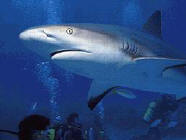 To the north of Pulau Lima are deep water area with healthy coral reefs
where gorgonians and black corals can be encountered. In the south, the
water is slightly shallower and coral reef in this area consists of
branching acroporas and table corals. The southern tip comprises a
series of large boulders covered with hard and soft corals, sea anemones
and other invertebrates, with caves and grottos at the base of the
boulders forming hideouts for many reef fishes. The eastern side
comprises steep walls encrusted with corals dropping to about 13 meters
before sloping away gradually to 30 meters. Sea fans and whips can be
found at the deeper bottoms. Apart from the usual reef fishes, look out
for black tip reef sharks, moray eels, lionfish and puffer fish. To the north of Pulau Lima are deep water area with healthy coral reefs
where gorgonians and black corals can be encountered. In the south, the
water is slightly shallower and coral reef in this area consists of
branching acroporas and table corals. The southern tip comprises a
series of large boulders covered with hard and soft corals, sea anemones
and other invertebrates, with caves and grottos at the base of the
boulders forming hideouts for many reef fishes. The eastern side
comprises steep walls encrusted with corals dropping to about 13 meters
before sloping away gradually to 30 meters. Sea fans and whips can be
found at the deeper bottoms. Apart from the usual reef fishes, look out
for black tip reef sharks, moray eels, lionfish and puffer fish.
Pulau Lima offers good diving from any point with good visibility, while
the western sandy shore provides excellent snorkelling opportunities
with gardens of anemone and other hard and soft corals in waters about 4
metres deep. Dive sites includes: The Big Mount, Black Coral Garden,
Southern Run, Eastern Run.
Big Mount
Located about 50 to 100 metres from the northern tip of Pulau Lima, is
arguably the best of all the dive sites around this island. A popular
site with a large coral pillar and highly rated by local divers, it
provides interesting encounters with a variety of pelagics such as tuna,
barracudas, groupers, black-tip sharks and the occasional whale shark.
Expect to find numerous cowries, spider shells and a large aggregation
of Christmas tree worms carpeting coral rocks. Damselfish, butterfly
fish, chromis, wrasses, rabbit fish, parrotfish and lionfish inhabit the
coral garden. Starting at about 20 meters, the boulder terrain drops to
30 meters and is filled with many varieties of hard and soft corals,
gorgonian fans, sea anemones and whip coral gardens.
Black Coral Garden
Venture to the depth between 90 to 110 feet and an underwater Garden of
Eden filled with Antipathes sp. corals or more commonly referred to as
black corals, will unfold before your very eyes. Also interesting are
the sights along the way, which include sea fans, sea fans, sea whips,
harp corals and a kaleidoscope of fish.
Mysterious Submerged Chamber
A newly discovered dive spot with spectacular sights and sounds
providing a serene surrounding to soothe all ills. Unbelievable? Come
and experience it for yourselves. Be seen until a depth of 70 feet
Southern Dive Sites
The islands of Pulau Kerengga Besar and Pulau Kerengga Kecil with a
large expanse of shallow reef which is ideal for snorkellers as well as
novice divers. Between the two islands lies a coral garden. The
predominantly sandy bottom is a haven for stingrays and some shark
species. Humphead parrots, snappers, tuna, jacks and trevallies may be
encountered at the reef, while many species of shrimp and crab may be
found especially during night dives.
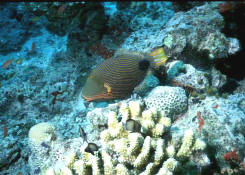
Pulau Kerengga Besar
The diving around Kerengga Besar is in relatively calm and shallow
waters up to about 15 metres maximum depth. The unspoilt table coral
formations are spectacular; the ydrozoans, anthozoans, Brain Corral, sea
fans, sea whips, and sea cucumbers are found in abundance. Adding to the
pallet of colour are the Gorgonian Fan Coral, Monastreau Coral, and the
beautiful and delicate Nutribranch Croustades, which lie half-buried on
the sandy bottom. Uneven terrain offering caves and other crevices make
this island popular among all divers. Maximum depth is at 60 feet.
Marine life includes rainbow-like wrasses, clown fish, coral trout and
delight looking nudibranches.
Pulau Kerengga Kecil
Feast your eyes on the Mini Mount at depth of 60 feet off the waters of
this island featuring a unique blend of sponges, shrimps, moluscs,
echinoderms and soft corals.
Tanjung Cina Terjun
Considered as a macro photographer's wonderland, divers are almost
certain to encounter eels and lionfish here. The sandy bottom fringing
the reef is home to many stingrays, while scorpion fish and stonefish
lie camouflaged against corals. Lionfish and porcupine fish shelter
amidst a garden of sea whips, while schools of large puffers swim
nearby. Small cat sharks, bamboo sharks and leopard sharks can be found
sleeping under rocks. This spot offers great day and night dives at
depths up to 18 metres in fairly calm waters, so it is suitable for
novice divers too. At night, just shine your torch into a hole or
crevice, and chances are you'll see an eel.
Pulau Pinang
In the past this island has been the home to approximately 50 families
of local fishermen. Now the fishermen are relocated to a new area on the
main island and Pulau Pinang has been developed into the Centre for
Marine Park. An old cemetery can still be seen near the waters edge on
this island.Dive sites around Pulau Pinang includes: Terumbu Kili, Gypsy
Rock (new)
and Marine Park.
Terumbu Kili
Terumbu Kili, a rocky outcrop that appears above water and slopes down
to a sandy bottom at about 20 metres in depth, lies at the southern tip
of Pulau Pinang and is one of the top dive sites at Redang. Beware the
strong surface currents in the channel separating this outcrop from
Pulau Pinang. Due to the strong currents, this site is best left to
advanced and more experienced divers as you can get swept out to sea if
you're not careful. Those who take the plunge may be rewarded with
sightings of occasional blacktip sharks, barracudas, jacks, snappers,
fusiliers, jellyfish and schools of yellowtail. A coral garden of
leather corals, soft coral, whips and fans occupy several ledges on the
slope front.
Terumbu Putih
Offering a maximum depth of 120 feet, only those willing to accept the
dare rewarded with unbelievable pristine beauty of the sea whips, barrel
sponges and reef inhabitants which included soldier fish, cardinal fish,
sea-squirts, bryozoans and squid living here.
Marine Sanctuary
There lies a cargo boat in about 8m water just in front of the
administrative center of the marine park. Go very early in the morning.
The boat's cargo was jute bags, they cover the bottom of the hold and
are slowly rotting away. Somewhere in the middle of this lies a
stonefish! He makes himself a small bed from pieces of stone, clamshells
and coral pieces and waits for his breakfast.
Pulau Ekor Tebu
Pulau Ekor Tebu is located in the southeast of Pulau Redang. Dive sites
surrounding this island are most affected by the El Nino in 1998. Now
the coral in the shallow areas has fully recovered. New sites has also
been established in the deeper areas around this island. Divers will
enjoy the sights along the steep walls located on the eastern side of
the island. Corals found here include staghorns, vase corals, dead
mans's finger and daisy corals. Not to be missed are the reptiles and
rays roaming around freely in the sea. Located almost 100 meters off the
coast of this island is a submerged reef with the maximum depth of 60
feet. It is abundant with fish of various size, shape and colour. An
irresistible dive site!
The northeast tip of Pulau Ekor Tebu comprises mainly steep granite
boulders dropping to 24 metres where it hits the sandy bottom. An
underwater cave can be found at about 20 metres depth. Look out for
healthy staghorn, table and lettuce coral. Sightings of trevallies,
black tip sharks, pompano, barracuda, batfish and the occasional eagle
ray can be expected especially when there are currents. Giant clams and
other shells can also be encountered. Dive sites around Pulau Ekor Tebu
includes: Gypsy Reef (new), Anemone City and East Ekor Tebu.
Pulau Ling
Pulau Ling, a small rocky outcrop with no beach, is probably one of the
most popular diving spots in Redang due to 2 massive, mushroom-shaped
coral heads, believed to be the among the largest coral structures on
the East Coast of Peninsular Malaysia. These are probably hundreds of
years old. The larger Porites head measures 24.5 metres at its base
circumference, while the smaller head measures 23.2 metres at its base
ircumference. These can be explored at relatively shallow depths of
10-20 metres. Caves found at the bases of the two heads are home to
angelfishes, moorish idols and cardinal fish while the overhangs of
these caves are encrusted with brilliant orange daisy corals.
Batu Chipor
North of Pulau Ling, Batu Chipor is marked by a buoy about 20m away from
a tiny rocky outcrop barely exposed during high tide. Although a fairly
shallow dive (8-15 metres), the sea around it can be choppy with
currents and it is more suitable for experienced divers. The rocky wall
is covered with soft tree corals, leather corals and fans, while the
sandy bottom is covered mainly with hard staghorn, lettuce and boulder
corals. The reefs to the west of Batu Chipor has some of the largest
aggregations of anemones found anywhere.
Getting There
From Merang Jetty, there many speedboats awaiting guests to Pulau Redang
and Lang Tengah. Pulau Redang is roughly 22km from the Merang Estuary
and the boat ride takes approximately 45mins.
RELATED LINKS
Islands of Terengganu ~ Redang Island
Still relatively undeveloped and unspoiled, the island provides
excellent opportunities for snorkeling, scuba diving and jungle trekking
to keep you occupied or just relaxing along the glistening white
beaches.
� The People � Beaches & Reefs � Activities � Chagar Hutang Turtle
Research Unit �
� Stay � Getting There �

travel - guide - sightseeing - information - travel guide - tours - visitors guide
- places of interest
|
|

