|
There are about 20 dive sites two ship wrecks, spread across the two
islands. Depths at most sites are within reach of an open water diver.
Diving mainly occur on the slopes of fringing reefs except for the ship
wrecks and some outer reef pinnacles. The variety of habitats in the
Perhentian waters boasts marine life that is abundant and diverse. Water
temperature is between 25�C to 31�C depending on depth and season.
Underwater visibility ranges from 5 to well over 20 meters depending on
weather.
 POPULAR DIVE SITES POPULAR DIVE SITES
Tukas Point - At Tukas Point the reef extends seaward with some rocky
outcrop forming an arm from the headland. Branching corals colonized the
upper reef slope and the fore reef consists of scattered coral heads.
The reef crest consists of rubble and sand.
Batu Butuh - A series of swim through with interesting boulders
formation.
Terumbu Tiga / Tiger Rock - Terumbu Tiga� when translated from the Malay
language means three coral blocks and is rated to be one of the top dive
sites around Pulau Perhentian, together with Tokong Laut. Situated
towards the east of Pulau Perhentian Besar, this dive site is usually
washed by currents and makes an interesting drift dive. The boulder
terrain slopes down to about 20 meters at the sandy bottom. Visibility
fluctuates between 5 to 15 meters depending on the tidal changes. The
granite boulders support various soft corals, sea fans and coral whips
swaying with current. Schools of fusiliers, rainbow runners, jacks and
batfishes swim about searching for a feed. Black tip sharks can
occasionally be observe at the outer reaches of the reef. The dive site
consists of 3 main boulders, thus creating many interesting rock
chambers and perfect hiding place for many shy fish, namely Brown Marble
Groupers. A paradise for nudibranch lovers.
Schools of jacks, barracudas, mackerels are common sightings. Beware of
the Titan triggerfish, where during spawning period (typically April)
can get very aggressive. Black and white tip reef sharks, leopard
sharks, hawksbill turtles, bumphead parrot fish complete the party.
Tanjung Basi - The name Tanjung Basi means Cape Stale, the origin of the
name is due to it's reach marine life, often fisherman caught so many
fish that they forgotten to stop for their lunch, and thus all their
food turned stale there. Probably have the healthiest carol one can find
around this region, this site also house some special species that can
be found easier here than the other sites , namely Orange-spine
Unicornfish , Pinktail Triggerfish, Lined Sweetlips and Brown Marble
Groupers.
Great for naturalist or Fish ID course - Large groupers, humpback
wrasses, barracudas, hawksbill turtles, giant sweetlips and batfish are
often spotted. Dives normally begin on the shallow reef slope at the
west side. On ebbing tide the dive can be planned as a drift dive in
moderate currents. At the end of the island the rocks form an extended
arm (normally up stream) is where all the activities.
Batu Layar - A submerge reef, featuring beautiful hard coral garden, and
yellowtail barracudas.
Gua Kambing - A unique dive site, it is located on the "high way" from
the fishing village to Long Beach, therefore the boat traffic can he
hazardous for those who do not know the site well. The highlight of this
dive site is cleaning stations.
Teluk Pauh - Easy reef for beginners, healthy coral and a common place
for turtle sighting. It is situated at one of the busiest snorkelling
area, so normally there are many boats and snorkellers around the dive
site.

Batu Nisan - This is the dive site where the divers will definately be
able to swim with Jenkin's Whiprays. It is the place where whiprays come
in to be cleaned. If you are lucky, you will have meet the inquisitive
resident hawksbill turtles. This dive site is lesser known to most dive
operators, therefore there is little underwater traffic. This site is
located just outside Long Beach it consists of a fringing reef and
scattered rock outcrop extended out of the bay. The reef crest is rich
with life. One organism that is almost guaranteed to encounter is the
Blue Spotted Stingray. This applies to both day and night dives.
De Lagoon/ Teluk Kerma - One of the famous site of Perhentian Islands,
this dive site features hard coral gardens, with sightings of both green
and hawksbill turtles, brown marble grouper, Napoleon Wrasse, and
Humphead Parrotfish. It is also a popular snorkelling site. A favorite
playground of novice and open water students, this is a relaxing and
easy dive
Kerma Laut - Schooling action can be expected if dive is made at the
right tide. Vortexing Barracudas, Talang Queen fish and giant bloched
head ray are amongst the
frequent visitors there. The boulders formation also offers a wide range
of nudibranch for macro lovers.
Batu Tabir - Around the corner from Kerma Laut, further around the cape
the shallow coral garden is ideal for photography and slow relaxing
dive.
Batu Kuching / Secret Reef - A small dive site consist of a few
boulders, it is Perhentian Islands' deep dive site. Max depth for this
dive site is 30m, and the top of the reef is not shallow enough for
planning a multilevel dive, therefore a short dive time will be planned.
The dive site is one of the richest in marine life site. You will see
lionfish, lobster, puffer fish, nurse sharks and schooling jacks.
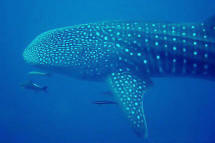 Tokong Laut (Temple of the Sea) - The super star of Perhentian Islands.
Some call this the pinicale, or temple. It is ranked the most beautiful
dive site of Perhentian Island. Characterized by rocky pinnacle covered
with soft and hard corals. The abundance of marine life coupled with
fantastic visibility makes this dive site highly sought after. Tokong Laut (Temple of the Sea) - The super star of Perhentian Islands.
Some call this the pinicale, or temple. It is ranked the most beautiful
dive site of Perhentian Island. Characterized by rocky pinnacle covered
with soft and hard corals. The abundance of marine life coupled with
fantastic visibility makes this dive site highly sought after.
Situated on the northwest of Pulau Perhentian Kecil and is accessible by
30 minutes speedboat ride. It is a rocky pinnacle the raises from the
sea bed at depth of 25 meters. The boulder like terrain gradually slopes
down to about 30 meters. Strong to mild currents usually sweeps the
boulders bringing plankton-rich nutrients and attracts anything from
pelagic to the whale shark. You can easily cover the entire dive site
without getting lost around the somewhat triangular boulder terrain.
Soft corals in all colours and sizes carpet the seascape offering refuge
for numerous small reef fish and mollusks. The presence of smaller reef
animal attracts larger predators up the food chain.
You can expect to see bamboo sharks, nurse sharks, giant moral eels, big
pufferfish, black tip reef sharks, lots and lots of trevallies,
razorfish, angelfish, schools of jacks, barracudas and big Jenkins
whiprays. Occasionally whale shark can be encountered at this dive site.
Vietnamese Wreck - Sunk in late 1970�s, this site is one of the must
dives in Perhentian. Often a challenging dive due to the upswing
currents, divers are rewarded with the sheer variety of marine life such
as boxfish, devil scorpion fish, great barracudas, batfish, jacks,
wrasses, giant groupers and stone fish. Easy to penetrate making this
wreck a fantastic experience.
Sugar Ship Wreck - Sugar Wreck is located in the open sea close to the
mainland and marked by a large orange buoy. Sloping down from 5m to
about 20m, strong current typifies this dive site. Although visibility
can be challenging, the sheer number of fishes
that can be found are more than compensates. Schooling yellowtail
barracudas, stonefish, lionfish, giant pufferfish, tiny boxfish, nurse
sharks, crabs, bamboo sharks are lovely finds.
Shark Point - This reef is diverse and rich and somewhat underrated.
Jumble of rocks support black corals, plentiful clown fishes housed in
colorful sea anemones, as well as damsel fish, hawksbill turtle and true
to its namesake, black tip reef sharks.
Tanjung Butung (East) & (West) - Tanjung Butong is located at an
extended rocky headland which forms an arm on the northern side of
Perhentian Kechil. Dives can be done at the fringing reef on both sides
of the rocks. Further out and up stream are the outer reefs where few
piles of boulders are shelter to Brown Marble Groupers. Healthy coral
reef and abundant of reef fishes can be observed on the reef slopes.
This jumble of rocks descending to sand offers a variety of fish life
such as filefish, razorfish, groupers, trevallies, schooling barracudas
and jacks. Whale sharks are sometimes spotted here.
Tokong Burung - The reef at Tokong Burung consists of shallow staghorn
garden which is a gradual slope to 14 meters. At the edge of the reef
crest are loose rubble and sandy bottom. There are several species of
mollusks that can be found here including the large Queen Helmet Shell
(Family Cassidae). Terebridae can also be found at this site. Schools of
fusiliers, chromis and damsels can be seen on the reefs.
Tiga Ruang - Located south of Tanjung Basi is this shallow dive site
that consists of scattered coral heads and sandy bottom. Staghorn and
Table Corals colonized the shallower side of this reef, while massive
Brain and Boulder Corals scattered along the reef edge in deeper side.
This is a good site to observe reef fishes as there are plentiful of
coral reef dwellers with the damsels which is the most conspicuous. The
bottom slopes gently from 6 to 14 meters at the deepest point.
North of Pulau Susu Dara Besar and Kecil - To the north of Pulau Susu
Dara Besar and Kecil, drift diving along the fringing reefs populated
mainly by hard coral present opportunities to see trigger fishes, moray
eels and other reef fish. You can dive close to the island along the
reefs. The fringing reef gives way to sandy terrain at about 18 meters.
Pasir Kerangi - This artificial reef constructed of PVC pipes laid down
by the Department of Fisheries is weighted down on the sandy bottom at
about 18 meters depth. The reef is rich with nutrients borne on the
gentle currents and gives rise to prolific growth of soft corals, some
to heights exceeding 60 cm tall. These are best viewed in the presence
of fair currents, as the corals retract during slack currents.
Visibility here ranges from 5 to 8 meters. The reef is also home to many
coral fishes like fusiliers, damsels, butterfly fish, lionfish, moray
eels and groupers that inhabit the artificial structure.
RELATED LINKS
Islands of Terengganu ~ Perhentian Islands
Pulau Perhentians consists of two islands - Perhentian Besar (Big
Perhentian island) and Perhentian Kecil (Small Perhentian Island), the
two islands of Perhentian are a marine paradise and part of a marine
national park.
� The Islands � The Beaches � Stay � Eats � Drinks �

travel - guide - sightseeing - information - travel guide - tours - visitors guide
- places of interest
|
|

