|
� American Wreck � Australian Wreck �
Cement Wreck � Blue Water Wreck �
Wreak diving enthusiasts can dive on four
wreaks of the islands of Labuan, each one having a different character.
These wreaks are suitable for both beginners and the more serious divers

Four shipwrecks has been identified: two from World War II and two from
the 1980's. These ships lie in 100 to 115 feet of water with the top
portions at 25 to 75 feet. Visibility varies greatly from season to
season and is anywhere from 20 feet to 70 feet. These wreaks are named
'Cement wreak', 'American Wreak', 'Australian Wreak', and 'Blue Water
Wreak'. The type of diving on these wreaks ranges from novice to serious
penetrations into the hulls.

The 'Cement Wreak' is the most suited for novice divers. For the Blue
Water Wreak', one must be an advanced diver with deeper diving
experience logged. To penetrate into the above two wreaks or to dive the
'American' or 'Australian' wreak. one must be certified in a wreak diver
specially or have logged experience in wreak diving.
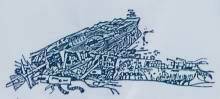 American
Wreck American
Wreck
The wreak lies south-east of Rusukan Kecil Island, 1.4 km away from the
Australian wreak and about 24 km from Labuan. A US Navy Minesweeper,
formerly the USS Salute, built in Seattle, Washington, in 1943.
It was first put into service in Hawaii in 1944 escorting convoys
between Pearl Harbor and several ports in the Far East. Later it was
involved in intense action, providing protection for anti-aircraft
vessels and submarines, as well as minesweeping operations in the
Phillippines. After several operations in the Brunei Bay, the ship
struck a mine in 1945 and nine US sailors lost their lives when she
sunk.
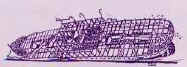 Australian
Wreck Australian
Wreck
This wreak lies south-west of Rusukan Besar Island about 23 km from
Labuan and is anything but Australian. It is the wreak of a cargo and
passenger steamer originally named SS De Klerk, built in the Dutch West
Indies. During World War II the Dutch scuttled the ship to prevent it
from falling into Japanese hands. But the Japanese salvaged the ship and
renamed it the 'Imbari Maru'. In 1940 while on a voyage to Manila it
struck a mine off Labuan and sank. 339 passengers lost their lives,
mostly workers and prisoners of war.
The wreak lies on the sea bed under 21 metres of water. Experienced
divers will enjoy exploring the interior of the wreak. Others will
appreciate the variety of marine life around it, including soft corals,
lion fish and the seldom seen frog fish. It is a good subject for
underwater photography.
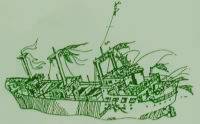 Cement
Wreck Cement
Wreck
The 'Tung Hwuang' is a freighter that sank while transporting cement to
Brunet for the Sultans new palace. It hit the Semerang Bank and sunk as
it tried to reach Labuan for repairs. Fortunately no lives were lost.
The wreak now lies east of Kuraman Island and just 21 km from Labuan.
Sunk in 30 metres of water, It sits on the seabed in an upright
position. It is the easiest wreak to navigate, making it ideal for
training in wreak diving. Divers can swim around the cargo hold and
docks. There is a wide variety of marine life to be found here including
barracuda, turtles, lion fish and reef fish. Soft and hard corals grow
on the surface of the wreak, which makes it the best Labuan wreak for
underwater photography and has been dubbed the worlds most colourful and
photogenic wreck.
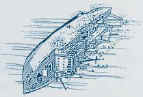 Blue
Water Wreck Blue
Water Wreck
This wreak lies northeast of Kuraman Island and is 34 km from Labuan. It
gets its name from the very clear blue waters it lies in. Of all the
wreaks this one has the best visibility. The wreak is the 'Mabini
Padre', a large Philippines trawler, which caught fire and sunk in 1981.
It is an interesting site for divers as it is completely intact. It also
supports a wealth of marine life like soft corals, grouper and bat fish.
|
|